
Blog
Traditional Chinese Medicine vs. Western Medicine: Two Perspectives on Depression
Introduction: When the “Mental Cold” Meets Two Medical Philosophies
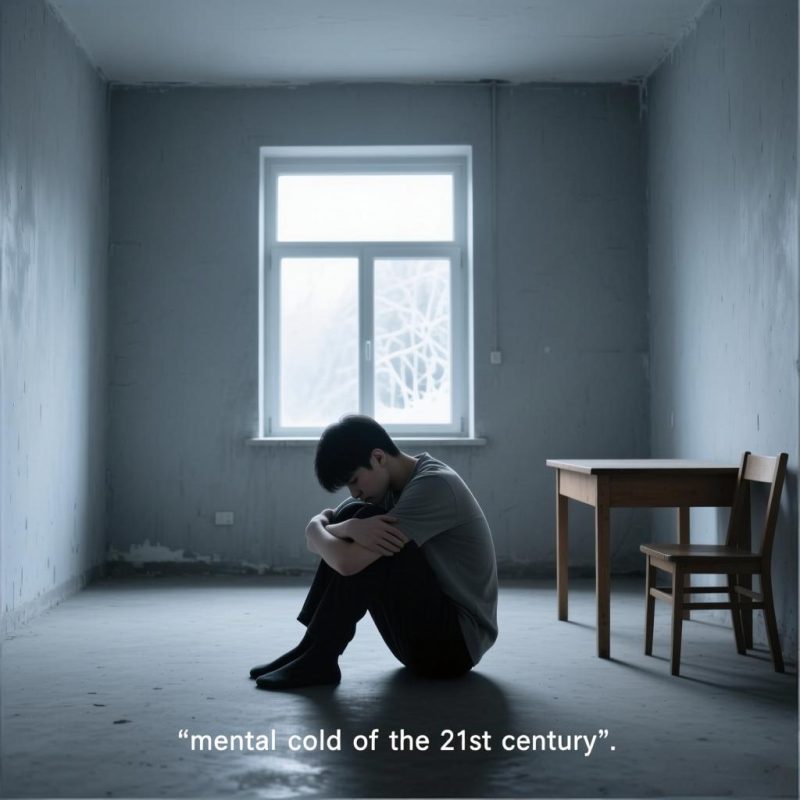
Depression is known as the “mental cold of the 21st century,” affecting over 300 million people worldwide. Traditional Chinese Medicine (TCM) and Western Medicine offer distinct interpretations of this condition: the former is rooted in ancient life philosophy, while the latter relies on modern empirical research. Below, we break down their perspectives from core cognition, pathological logic to intervention methods.
I. Western Medicine: Decoding Depression Through “Physiological Mechanisms”
Western Medicine’s understanding of depression revolves around “quantifiable physiological abnormalities,” with the core being the scientific verification of “brain dysfunction”.
1. Core Pathological Hypotheses: Three Mechanisms Forming the Cognitive Framework
- Neurotransmitter Imbalance Theory: Insufficient secretion or blocked transmission of “happy transmitters” such as serotonin and dopamine leads to impaired mood regulation.
- Impaired Neuroplasticity: Chronic stress causes atrophy of the hippocampus (the brain region responsible for emotional memory) and reduced neuronal connections, decreasing the brain’s “emotional resilience.”
- Hormonal and Immune Disorders: Overactivation of the hypothalamic-pituitary-adrenal (HPA) axis raises cortisol levels, while abnormal thyroid hormones also directly affect emotional states.
2. Diagnostic and Therapeutic Logic: Precise Localization + Targeted Intervention
Western Medicine diagnoses depression based on scale assessment + physiological indicators: it quantifies emotional states using the PHQ-9 depression scale and combines thyroid function and cortisol level tests to identify underlying causes. Treatment follows a “stratified intervention” principle: cognitive behavioral therapy (CBT) for mild depression; a combination of antidepressants (e.g., SSRIs) and psychotherapy for moderate to severe cases.

II. TCM: Interpreting Depression Through “Holistic Balance”
TCM has no direct equivalent term for “depression,” but its symptoms are categorized under conditions like “Yu Zheng” (Qi stagnation syndrome), “Bai He Bing” (lily disease), and “Zang Zao” (hysteria syndrome). The core cognition is “imbalance of Qi, blood, Yin and Yang + dysfunction of Zang-Fu organs”.

1. Core Pathogenesis: “Stagnation” as the Trigger, “Deficiency” as the Root
- Liver Qi Stagnation is the Key Trigger: TCM holds that “the liver governs free flow of Qi” (regulating the circulation of Qi throughout the body). Prolonged emotional distress (e.g., stress, setbacks) causes Liver Qi stagnation and Qi blockage, leading to symptoms such as low mood, chest and hypochondriac distension, and loss of appetite.
- Zang-Fu Organ Imbalance is the Fundamental Issue: Long-term Liver Qi stagnation triggers a chain reaction: stagnation transforming into fire causes irritability and insomnia; stagnation injuring the spleen leads to insufficient Qi and blood production, resulting in heart-spleen deficiency (fatigue, palpitations, amnesia); and prolonged illness affecting the kidneys causes kidney Yang deficiency, worsening emotional apathy and cold intolerance.
2. Diagnostic and Therapeutic Logic: “Syndrome Differentiation” + “Holistic Regulation”
TCM diagnosis relies on “comprehensive four diagnostic methods” (observation, auscultation, inquiry, pulse-taking):
- Thin white tongue coating with string-like pulse indicates “Liver Qi Stagnation Syndrome”;
- Yellow greasy tongue coating with wiry and rapid pulse suggests “Liver Stagnation Transforming into Fire Syndrome”;
- Pale tongue with white coating and thready weak pulse often points to “Heart-Spleen Deficiency Syndrome.”
Treatment emphasizes “individualized plans”:
- Medicinal therapy: Chai Hu Shu Gan San (Bupleurum Liver-Soothing Powder) for Liver Qi stagnation; Gui Pi Tang (Spleen-Nourishing Decoction) for heart-spleen deficiency;
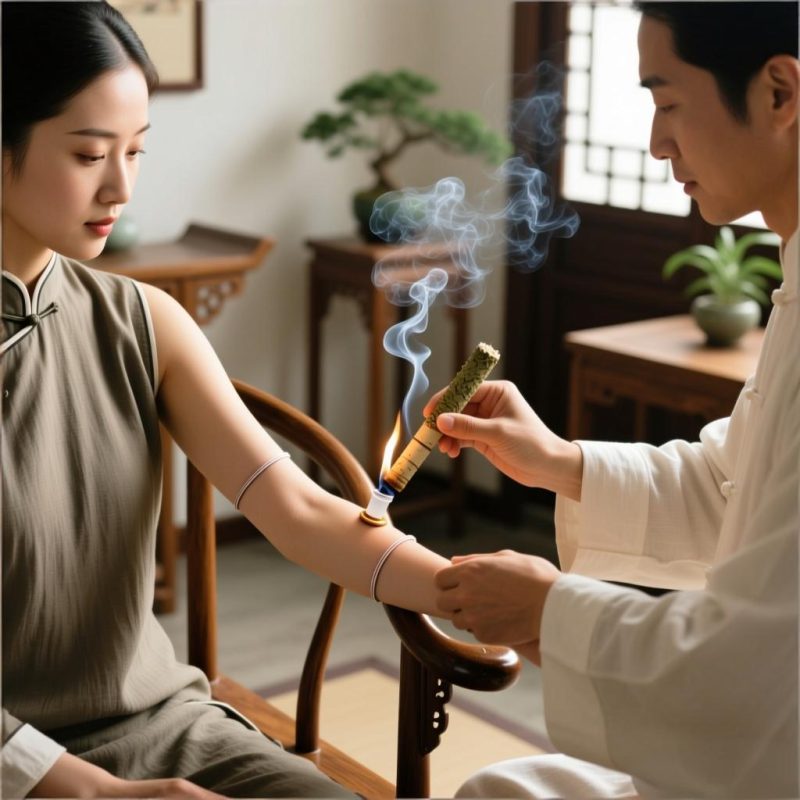
- Non-medicinal intervention: Acupuncture at points like Taichong, Neiguan, and Shenmen to regulate Qi; Moxibustion at Guanyuan and Qihai to warm Yang; Tuina (massage) on the Bladder Meridian of the back to unblock Qi and blood circulation.
III. Collision and Integration of Two Perspectives
Western Medicine excels at precisely locating pathological targets to quickly relieve acute symptoms of moderate to severe depression; TCM specializes in regulating holistic imbalance to improve physical constitution at the root and reduce recurrence. In clinical practice, they are not opposing: many patients take antidepressants while receiving TCM regulation to soothe the liver and strengthen the spleen, which not only controls symptoms quickly but also alleviates medication side effects like fatigue and poor appetite.
For patients, understanding these two perspectives means: Western Medicine provides a “clear etiology + rapid intervention” solution, while TCM offers a “long-term regulation + recurrence prevention” approach. The core is to find a balanced plan suitable for oneself.
Suggestions from charmch