Blog
How Torturous Is Insomnia? A Long-Term Insomniac’s True Account of Its Harms
As someone who has struggled with insomnia for nearly three years, I once naively thought that “being unable to sleep” was just a minor issue—something I could get through with a little grit. But when my body and mind started sounding alarm bells one after another, I finally realized: insomnia is far more than just “staying up late.” It’s like an invisible hand, quietly dragging down my life, health, and mood.
1.Dragging Through the Day Like a “Zombie,” Even Simple Tasks Feel Impossible
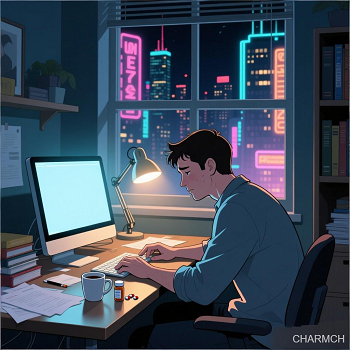
The most obvious impact of insomnia is that it completely drains your energy during the day. Once, I could finish a full day’s work efficiently and still have energy left for workouts or reading in the evening, keeping my life full and organized. But after insomnia took hold, waking up each morning felt like I hadn’t slept at all: my eyes were dry and sore, aching if I kept them open too long; my head felt foggy, as if wrapped in a thick layer of mist; even lifting a cup felt like a struggle.
One incident stands out clearly. At work, I stared at my computer screen for half an hour, but the words in front of me seemed to “dance around”—I couldn’t absorb a single one. Later, when I forced myself to check a simple report, I made three mistakes in a row. When my boss pointed them out, my face burned with embarrassment. Another time, I went out to buy groceries: I paid, turned around, and walked away. It wasn’t until I’d gone two blocks that I suddenly remembered, “I forgot my things!” I had to rush back, so embarrassed I wanted to hide. This “mind-not-being-there” state not only ruined my work efficiency but also made me constantly wonder, “Am I getting dumber?” To make matters worse, I couldn’t stop yawning during the day. In meetings, even though I tried to focus, my eyelids felt as heavy as lead. I’d secretly pinch my hand to stay awake—that feeling of being utterly exhausted but unable to rest is truly tormenting.

2. A Failing Body, Minor Ailments Piling Up
At first, I thought insomnia only affected my mood, so I didn’t pay much attention. But gradually, my body started sending more and more warning signs. First, my immunity plummeted: I used to rarely get sick, and even if I caught a cold, a cup of hot water and a good sleep would fix it. But with insomnia, a slight breeze could make me run a fever or cough. Every illness dragged on for over ten days, leaving me feeling unusually “fragile.”
Then my digestive system acted up. Once, I could handle spicy or cold food with no problem, but now even a small meal would leave me bloated or with acid reflux. Sometimes, I’d only have a bowl of porridge at night, but stomach discomfort would keep me tossing and turning, making it even harder to sleep. It became a vicious cycle: “insomnia → poor digestion → worse insomnia.” What worried me most was my memory: I couldn’t remember new things, and even familiar names of friends or regular routes would suddenly “slip my mind.” Once, I wanted to call a friend, but when I picked up my phone, I forgot their number and had to scroll through my contacts slowly to find it.
My temper also grew shorter. Before, if someone accidentally bumped into me, I’d smile and say, “It’s okay.” But now, the smallest thing would make me snap. Once, while waiting in line for coffee, the person in front hesitated for a few extra seconds, and I couldn’t help but frown and sigh. I felt terrible about it afterward. Later, when I saw a doctor, I learned that long-term insomnia disrupts brain nerves and hormone balance. All these little physical issues were, in fact, insomnia “getting back at me” for ignoring it earlier.

3. Trapped in a Low Mood, Even Afraid to Face the Night
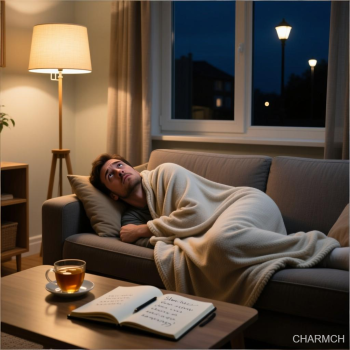
Worse than physical discomfort is the emotional torture of insomnia. Not being able to sleep night after night made me increasingly anxious and insecure. Every night, when I lay in bed, if I couldn’t fall asleep within 30 minutes, panic would set in: “Will I be up all night again?” “I have work tomorrow—what if I have no energy?” The more I worried, the harder it was to sleep. Sometimes, I’d just stare at the ceiling until dawn broke, overwhelmed by despair.
Slowly, I began to fear the “night”: in the evening, I would feel inexplicably flustered, and always felt that “I have to face a hard night again”; I dare not even look at my bed, because when I see it, I will immediately associate it with “the pain of being unable to sleep over and over”. This mood will also affect the state of the day: in the past, I liked to get together with my friends and travel everywhere, but now no matter how others make an appointment, I am not interested. I always feel “no energy to cope”. The whole person is covered in a “gray shell”, and it is difficult to feel happy. Later, I learned from communicating with people with the same insomnia that many people with long-term insomnia tend to have anxiety and depression, which is more difficult to get rid of than physical fatigue.

4. Conclusion: Don’t Let Insomnia Steal Your Life
Looking back, if I’d taken insomnia seriously when it first started instead of toughing it out, things might not have gotten so bad. It wasn’t until I tried TCM (Traditional Chinese Medicine) remedies—like the acupressure and jujube seed porridge I shared earlier—that my sleep slowly improved. It took persistence: spending 5 minutes massaging the Shenmen acupoint before bed each night, or making jujube seed congee a few times a week. But when I finally started falling asleep more easily, had energy for work during the day, and noticed fewer little health issues, I truly understood: insomnia is never a “minor issue.” It quietly steals your energy, health, and joy.
If you’re struggling with insomnia too, don’t “tough it out” like I did. Try these gentle remedies—even something as simple as soaking your feet or massaging acupoints before bed might make a difference. After all, being able to sleep well and wake up energized to face the day is the most solid, happiest thing in life.